Blocked, Banned, or Just Confused? What US Viewers Need to Know About Adult Content Access in 2024
Not that long ago, accessing adult content online in the United States was pretty simple. You found a site, you clicked around, maybe you subscribed. Done. In 2024, that experience has gotten a lot more complicated — and a lot of Americans don't fully understand why, or what their options actually are.
Geoblocking. Age verification mandates. Payment processor restrictions. State-level legislation. VPNs marketed as magic privacy wands. There's a lot happening simultaneously, and most of it is poorly explained to the people it directly affects. So let's break it down.
The Patchwork Problem: State Laws Are Fragmenting US Access
Here's something that catches a lot of people off guard: the United States does not have a single, unified federal framework governing adult content access online. What's happening instead is a state-by-state legislative scramble, and it's creating a genuinely fragmented landscape.
Louisiana was the first state to pass a law requiring age verification for adult websites, and it took effect in 2023. Since then, a wave of similar legislation has rolled through states including Texas, Virginia, Arkansas, Mississippi, and Utah. The specifics vary by state, but the core requirement is the same: platforms must implement some form of age verification before granting access to explicit content.
The catch? Compliance is expensive and technically complicated. Many major adult platforms — including Pornhub's parent company Aylo — have responded by simply blocking access from states that passed these laws rather than building out compliant verification systems. If you're in one of those states and you've suddenly found yourself hitting a wall where content used to flow freely, that's why.
For viewers, this is jarring. You're not doing anything illegal. The content is legal. But the platform has made a business decision that compliance isn't worth the cost, and you're the one who ends up locked out.
Enter the VPN — And Its Limits
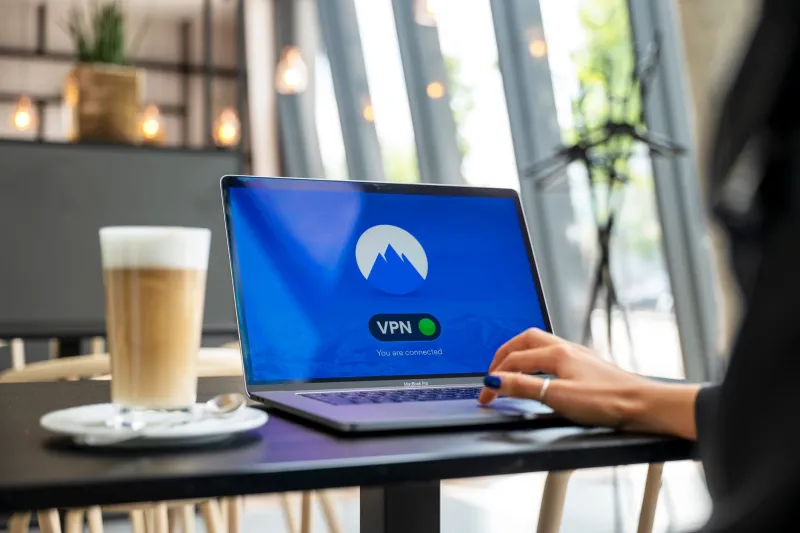
The immediate instinct for a lot of people hitting these blocks is to grab a VPN. Route your traffic through a server in a different state, mask your real location, problem solved. Right?
Partially. VPNs do work for bypassing geoblocks in many cases. If a platform is blocking Texas IP addresses, a VPN that routes you through a Colorado server will often get you back in. It's not illegal — using a VPN in the US is perfectly lawful — and for basic geographic restriction workarounds, it's a functional solution.
But VPNs come with real caveats that the marketing doesn't always emphasize.
First, not all VPNs are created equal. Free VPN services frequently log your traffic, sell your data, or both. If privacy is part of why you're using one, a free VPN might be actively working against you. Paid services from reputable providers — Mullvad, ProtonVPN, ExpressVPN — offer meaningfully stronger protections, but they cost money and require some baseline technical literacy to configure correctly.
Second, VPNs don't solve payment processor problems. This is a crucial distinction. Even if a VPN gets you onto a platform, if you're trying to subscribe or make a purchase, your payment method's billing address is still tied to your real location. Platforms and payment processors can cross-reference these signals. In some cases, a mismatch between your apparent IP location and your billing address will flag your transaction as suspicious and get it declined.
Third, VPNs don't provide legal immunity. If you're using a VPN to access content that's actually illegal in your jurisdiction — not just age-restricted, but genuinely prohibited — routing through a VPN doesn't protect you. This is an important line to understand.
Payment Processors: The Invisible Gatekeepers
If state laws are the visible face of content restriction, payment processor policies are the hidden infrastructure underneath — and they've had arguably more impact on what content exists and who can access it than any legislation.
The 2020 decision by Mastercard and Visa to suspend processing for Pornhub following allegations of non-consensual content on the platform was a watershed moment. It forced an industry-wide reckoning. Platforms pulled millions of videos. Age and identity verification requirements tightened dramatically. Content categories that payment networks flagged as high-risk became harder to monetize.
For US viewers, the downstream effects are subtle but real. Some content that was previously widely available has been scrubbed from major platforms. Creators working in certain categories have migrated to smaller, more niche platforms that accept alternative payment methods — cryptocurrency, gift cards, platform-specific tokens — specifically because traditional payment rails aren't available to them.
If you've noticed that some of your favorite content or creators seem to have disappeared from mainstream platforms, payment processor pressure is often the explanation. They didn't necessarily violate any law. They violated a terms of service shaped by financial industry risk calculations.
Privacy in the Age of Age Verification
The age verification debate has a privacy dimension that deserves serious attention, and it's one that US audiences should be thinking about carefully.
Effective age verification requires some form of identity confirmation — a government ID scan, a credit card check, a third-party verification service. The question that critics of these laws have been asking loudly is: who holds that data, for how long, and what are they doing with it?
The concern isn't hypothetical. A database linking people's real identities to their adult content consumption habits is an extraordinarily sensitive piece of infrastructure. Data breaches happen. Governments issue subpoenas. Companies get acquired and their data practices change.
Some states have attempted to address this by requiring that verification be handled by third parties rather than the platforms themselves, keeping consumption habits separate from identity data. Whether that structure actually provides meaningful protection is a live debate among privacy researchers.
For now, if you're on a platform that requires identity verification and you're concerned about your data, it's worth reading their privacy policy carefully — specifically around data retention periods and whether they share information with third parties.
What's Actually Coming Next
The regulatory landscape isn't static, and 2025 is shaping up to bring more movement. Several states have additional age verification bills in various stages of the legislative process. There are ongoing First Amendment challenges to existing laws — the Free Speech Coalition, the adult industry's primary trade organization, has been litigating aggressively — and some of those cases could produce court decisions that reshape the entire framework.
At the federal level, there's been talk of a unified national standard, though meaningful federal legislation in this space remains unlikely in the near term given the political dynamics.
For US audiences who just want to watch what they want to watch without a law degree, the practical takeaway is this: know your state's current requirements, invest in a reputable VPN if you're using one, and pay attention to where your payment data is going. The landscape is shifting, and staying informed is genuinely your best tool.
The content isn't going anywhere. But the road to it is getting more complicated — and understanding the map matters.