Ownership or Bust: How Adult Performers Are Rewriting the Rules With Platforms in 2024
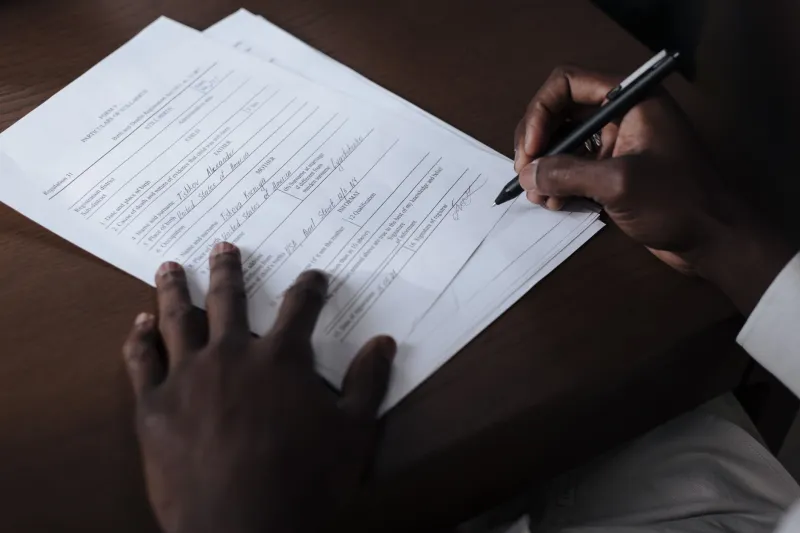
For a long time, signing up to a platform felt a lot like signing your life away. You handed over your content, your image, sometimes your name — and in return you got a revenue split and a terms-of-service document that nobody fully read. That arrangement worked fine for the platforms. For performers? Not so much.
But something has shifted in 2024. Adult creators, backed by better legal resources and a lot more collective knowledge, are pushing back. They're auditing what they've agreed to, renegotiating where they can, and walking away when they can't. The consent conversation that's been reshaping the industry on-screen is now happening off-screen too — in contracts, in DMs with legal teams, and in courtrooms.
The Problem With Platform Agreements Nobody Read
Let's be honest: most performers didn't have lawyers when they first signed up. They clicked through terms of service the same way everyone clicks through cookie consent banners — fast, without thinking, just to get to the part where they could actually work.
That habit has cost people. Stories have surfaced of platforms sublicensing content without explicit performer consent, retaining perpetual usage rights even after a creator deletes their account, and using performer likenesses in promotional materials that the creator never approved. In the US, where state-level right of publicity laws vary wildly, the legal exposure from those situations can be significant — and platforms have historically known that.
The gap between what performers thought they were agreeing to and what was actually buried in the fine print? That gap is where a lot of the damage has happened.
What a Consent Audit Actually Looks Like
The term "consent audit" has started circulating in performer communities, particularly in online forums, Discord servers, and through advocacy groups like the Free Speech Coalition. The basic idea is straightforward: you go back through every platform agreement you've signed and figure out exactly what rights you've handed over.
In practice, it's more involved than it sounds. A real consent audit means:
- Cataloging every platform where your content lives, including older accounts you may have forgotten about
- Pulling the actual terms from when you signed up, not the current version — platforms update their TOS regularly, and what you agreed to may differ from what's live today
- Flagging specific clauses around content licensing, sublicensing, image rights, perpetual use, and account termination policies
- Identifying what's negotiable versus what's baked into a standard agreement
Some creators are doing this themselves with help from online legal resources. Others are working with entertainment attorneys who specialize in adult industry contracts — a niche that's grown considerably in the last two years as demand has spiked.
The Legal Tools That Are Actually Working
Here's where things get interesting. Performers aren't just identifying problems — some are successfully fixing them.
Content control agreements, sometimes called creator rights addendums, are one tool gaining traction. These are supplementary documents that a performer negotiates with a platform on top of the standard TOS. They can specify things like: content can't be used in promotional material without written approval, deletion requests must be honored within a set timeframe, and no sublicensing to third parties without explicit consent.
Not every platform will entertain these conversations. The bigger, more established ones with leverage tend to say take-it-or-leave-it. But mid-tier platforms and newer entrants to the market are often more willing to negotiate, especially if the creator brings a meaningful audience with them.
Right of publicity claims under state law have also become a more common pressure point. California and New York have relatively strong protections, and creators in those states have used the threat — and sometimes the reality — of right of publicity litigation to force platforms into better behavior. A cease-and-desist backed by a solid legal argument hits differently than a strongly-worded email.
DMCA takedown processes, while imperfect, remain a functional tool for content that's been used without authorization. Performers who've documented their original content ownership carefully — timestamps, watermarks, signed model releases kept in their own records — have had more success with takedowns than those who relied on the platform to maintain that documentation.
Creators Who've Made It Work
Without naming individuals who haven't gone public with their stories, the pattern among successful negotiators tends to look similar. They came to the table with leverage — either a substantial fanbase, documented evidence of a TOS violation, or both. They had at least a basic legal consultation before engaging. And they were genuinely prepared to walk away.
That last part matters more than people expect. Platforms respond to economic pressure. A creator who's generating real revenue and signals credibly that they'll leave if terms don't improve is in a different negotiating position than someone making vague threats with no follow-through. The creators getting better deals are the ones treating it like a business negotiation, not a favor request.
Collective action has also moved the needle in a few cases. When groups of performers on the same platform coordinated their complaints and presented unified demands — sometimes with media attention attached — platforms that had previously stonewalled started responding. It's not a guaranteed playbook, but it's worked.
Practical Steps for Performers Who Want to Start
If you're a creator who's been putting this off, here's a realistic starting point:
Step one is just inventory. List every platform where your content exists, active or not. You can't audit what you haven't identified.
Step two is getting the actual agreements. Most platforms make current TOS available publicly. For older versions, the Wayback Machine at archive.org has captured historical versions of many platform terms pages.
Step three is a legal consultation. Organizations like the Free Speech Coalition offer resources, and some entertainment attorneys do initial consultations at low or no cost. Even one hour with someone who knows this space can clarify what you're actually dealing with.
Step four is deciding your priorities. Full content ownership might not be achievable on every platform. But specific protections — like guaranteed deletion rights or restrictions on promotional use — might be. Know what matters most to you before you start negotiating.
Step five is documentation going forward. Whatever content you create from here, keep your own records. Signed model releases, original files with metadata, timestamps. If a dispute comes up later, your documentation is your evidence.
The Bigger Picture
What's happening right now isn't just individual creators protecting themselves. It's the beginning of a structural shift in how the adult industry thinks about performer rights. The consent conversation that's been essential on set for years is finally extending to the business side — to the contracts, the platforms, and the revenue relationships that shape a creator's entire working life.
Platforms that adapt to this shift — that build genuine consent and control into their agreements rather than fighting every request — are going to be better positioned long-term. The creators with the most loyal audiences and the most sustainable careers are paying close attention to who's treating them like a partner versus who's treating them like a content source.
In 2024, that distinction matters more than ever. And performers are done pretending it doesn't.